# Who Needs Best Laser Eye Surgery in Lahore for Vision Correction 2027?
Clear vision plays an important role in everyday life, from reading and working to driving and enjoying digital screens. For people who depend on glasses or contact lenses, laser vision correction can offer an alternative approach to managing common refractive errors. **Best Laser Eye Surgery in Lahore** is increasingly considered by suitable patients who want to reduce their dependence on corrective eyewear and achieve clearer functional vision.
Choosing **[Best Laser Eye Surgery in Lahore](https://www.zafarlasereyeclinic.com/services/blepharitis/)** is not simply about selecting a procedure or clinic. Every person's eyes are different, and suitability depends on factors such as the type of refractive error, corneal health, age, prescription stability, general eye condition, and realistic expectations. A detailed eye examination is therefore an important first step before deciding whether laser vision correction is appropriate.
## Understanding Laser Eye Surgery for Vision Correction
Laser eye surgery refers to procedures that reshape the cornea to improve the way light enters and focuses inside the eye. Common laser vision correction procedures include LASIK, Femto LASIK, and PRK. Although these procedures have the same broad goal, their techniques and suitability can differ.
The purpose of treatment is generally to correct refractive errors such as myopia, hyperopia, and astigmatism. When the shape of the cornea prevents light from focusing properly on the retina, vision may appear blurred. Carefully planned laser treatment can alter the corneal shape so that incoming light is focused more accurately.
## Who May Consider Laser Vision Correction?
Adults who regularly depend on glasses or contact lenses may consider laser eye surgery if their vision meets the medical requirements for treatment. People with stable prescriptions are often assessed because significant changes in prescription can affect the long-term results of refractive surgery.
Someone who experiences difficulty seeing distant objects because of myopia may explore laser vision correction. Similarly, patients with certain degrees of hyperopia or astigmatism may also be evaluated. However, the specific refractive error and its severity must be measured during a comprehensive examination.
## People With Myopia
Myopia, commonly known as short-sightedness or nearsightedness, causes distant objects to appear blurred while nearby objects may remain clearer. It can affect students, professionals, drivers, and people who spend much of their daily lives looking at distant signs or screens.
Patients with suitable levels of myopia may be candidates for laser vision correction. During an evaluation, an eye specialist examines the prescription and corneal characteristics before determining whether treatment could provide a beneficial outcome.
## People Who Depend Heavily on Glasses
Glasses are a safe and effective method of correcting refractive errors, but some people prefer to reduce their dependence on them. Individuals who find glasses inconvenient during professional activities, exercise, travel, or social occasions may consider laser vision correction.
Contact lens users may also explore surgery if lenses cause discomfort, dryness, frequent maintenance requirements, or practical difficulties. However, replacing glasses or contact lenses with surgery is a personal decision and should follow a complete medical assessment.
The best outcome comes from choosing treatment because it is medically suitable and personally appropriate, rather than simply because someone wants to stop wearing glasses.
## Contact Lens Users With Practical Difficulties
Contact lenses require regular cleaning, correct handling, and responsible replacement. Some users experience dryness or discomfort, while others find lenses inconvenient during long working hours or outdoor activities.
For suitable candidates, laser vision correction may reduce the need for contact lenses. Before treatment, however, the eyes need to be examined carefully because contact lens wear can temporarily influence corneal measurements.
Patients may be advised to stop wearing lenses for an appropriate period before certain examinations. This allows the specialist to obtain more reliable measurements for treatment planning.
## Adults With Stable Vision
Prescription stability is an important consideration when evaluating candidates for refractive surgery. If a person's prescription continues to change significantly, laser treatment may not provide the expected long-term benefit.
Adults whose vision has remained relatively stable may be evaluated more favorably, although stability alone does not guarantee eligibility. Corneal thickness, eye health, tear-film condition, pupil characteristics, and other factors also influence the decision.
A consultation allows the specialist to review the patient's visual history and determine whether the eyes are suitable for further assessment.
## Why a Comprehensive Eye Examination Matters
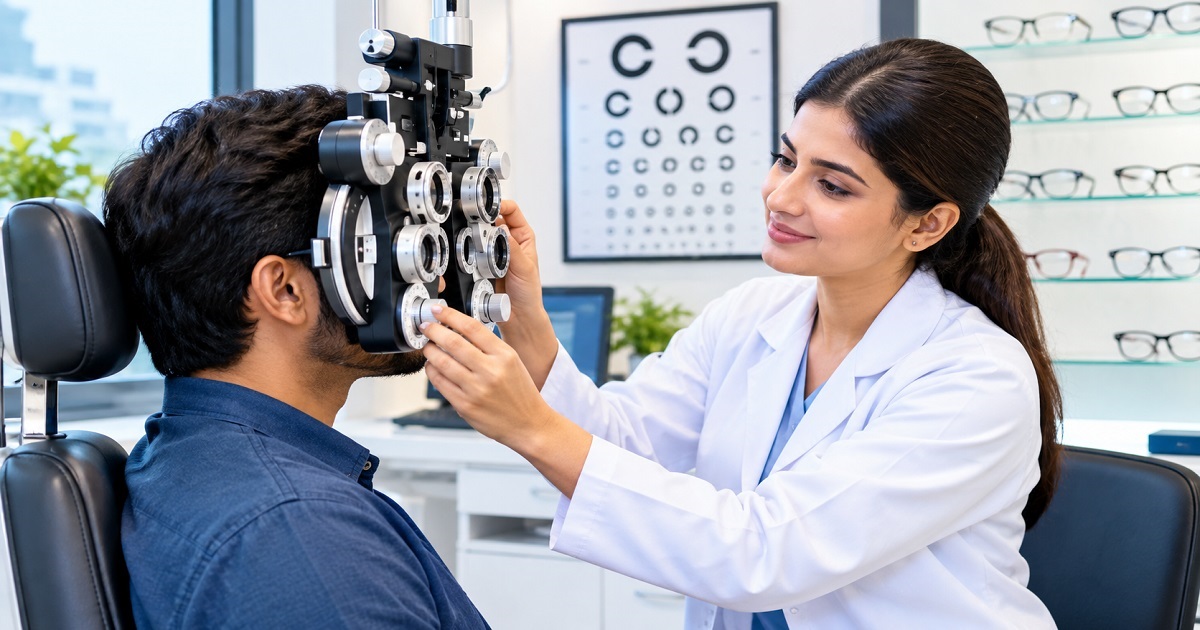
A comprehensive examination is one of the most important stages before laser eye surgery. It helps identify the refractive error and provides information about the health and structure of the eyes.
Specialists may assess corneal shape, corneal thickness, tear-film stability, eye pressure, prescription, and other characteristics. These measurements help determine whether laser treatment is appropriate and which procedure may be most suitable.
The examination also gives patients an opportunity to discuss their expectations. Good vision correction is not only about selecting advanced technology; it is also about matching treatment to the individual characteristics of the patient's eyes.
## People Looking for Freedom From Daily Eyewear
Some individuals simply want greater convenience in their daily routines. Glasses can become inconvenient during sports, outdoor activities, travel, or certain professional tasks. Contact lenses can require regular cleaning and careful handling.
For medically suitable patients, laser vision correction may provide greater freedom from routine corrective eyewear. However, expectations should remain realistic. Laser surgery does not guarantee that a person will never need glasses again, particularly as natural age-related changes in vision develop.
A responsible consultation explains both the potential benefits and limitations before treatment.
## Who May Not Be a Suitable Candidate?
Not everyone seeking laser vision correction will be considered a suitable candidate. Certain corneal conditions, unstable prescriptions, severe dry eye, some eye diseases, and other medical factors can affect eligibility.
Pregnancy and some hormonal changes may also influence vision and prescription stability, so timing can be an important consideration. Patients should disclose relevant medical information and medications during their consultation.
If laser surgery is not recommended, an eye specialist may discuss alternative options. Being advised against surgery is not a failure of treatment; it is part of protecting the patient's eye health.
## Choosing the Right Eye Specialist in Lahore
Finding the right eye specialist is an important part of the vision correction journey. Patients should look for professional evaluation, appropriate diagnostic testing, clear communication, and an individualized treatment plan.
A reliable specialist should explain the proposed procedure, expected recovery, possible side effects, and follow-up requirements in understandable language. Patients should feel comfortable asking questions about their prescription, corneal measurements, procedure options, and expected visual outcomes.
The quality of the evaluation matters just as much as the technology used for treatment.
## Understanding Different Laser Procedures
LASIK is one of the most widely recognized forms of laser vision correction. It involves creating a corneal flap and using a laser to reshape the underlying corneal tissue before repositioning the flap.
Femto LASIK uses a femtosecond laser to create the corneal flap instead of a traditional mechanical blade. This approach can provide precise flap creation for appropriately selected patients.
PRK is another laser vision correction technique that does not create a conventional LASIK flap. Instead, the surface layer of the cornea is treated before laser reshaping. Recovery can differ from LASIK, making professional assessment especially important when comparing procedures.
## What Patients Should Expect During Consultation
A consultation is an opportunity to understand whether laser vision correction fits the patient's needs. The specialist reviews the patient's visual history and performs detailed examinations to evaluate the eyes.
Patients should provide accurate information about previous eye conditions, surgeries, medications, contact lens use, and changes in vision. Honest communication helps the specialist make a more informed assessment.
The consultation should also cover realistic expectations. While many suitable patients can achieve significant improvement in unaided vision, individual results vary.
## Preparing for Laser Eye Surgery
Preparation can contribute to a smoother treatment experience. Patients should follow the instructions provided by their eye specialist and attend all required diagnostic appointments.
Contact lens users may need to discontinue lens wear before specific measurements. Patients should also discuss any medications or eye conditions with their specialist before treatment.
Understanding the recovery process in advance can help patients plan their work, travel, driving, and other activities appropriately.
## Recovery and Follow-Up Care
Recovery varies depending on the procedure and individual healing response. Some patients may notice changes in vision, dryness, light sensitivity, or temporary fluctuations during the early recovery period.
Following post-operative instructions is essential. Patients should use prescribed eye drops as directed and attend scheduled follow-up appointments. These visits allow the specialist to monitor healing and identify any concerns promptly.
## Why Individualized Treatment Is Important in 2027
Modern eye care continues to emphasize personalized assessment rather than a one-size-fits-all approach. In 2027, patients considering laser vision correction should focus on the quality of their eye evaluation and the suitability of the procedure rather than choosing treatment solely because it is popular.
## Making an Informed Decision
Choosing laser eye surgery should be a carefully considered decision. Patients should understand why they are seeking treatment, what type of refractive error they have, and whether their eyes are healthy enough for surgery.
Laser vision correction should always begin with a comprehensive eye examination and consultation with a qualified eye specialist. Understanding the available procedures, preparation requirements, recovery process, and potential limitations allows patients to approach treatment with greater confidence. For 2027, the most important step is not simply finding a modern procedure but choosing an **[individualized](https://md.fsmpi.rwth-aachen.de/)** vision correction plan that prioritizes safety, eye health, and appropriate visual goals.
## FAQs
### Is laser eye surgery suitable for everyone?
No. Eligibility depends on factors such as age, prescription stability, corneal health, and overall eye condition.
### Can laser surgery correct astigmatism?
Certain types and degrees of astigmatism may be treated with laser vision correction after a detailed eye examination.
### Can I stop wearing glasses after laser eye surgery?
Many suitable patients experience reduced dependence on glasses, but results vary and some people may still need glasses for specific activities.
### How do I know which laser procedure is right for me?
A comprehensive examination allows an eye specialist to determine which procedure, if any, is appropriate for your eyes.
### Is recovery the same for every laser procedure?
No. Recovery can vary between procedures such as LASIK, Femto LASIK, and PRK, as well as between individual patients.