# Why Retail Giants Keep Expanding Their Bamboo Flooring Lines
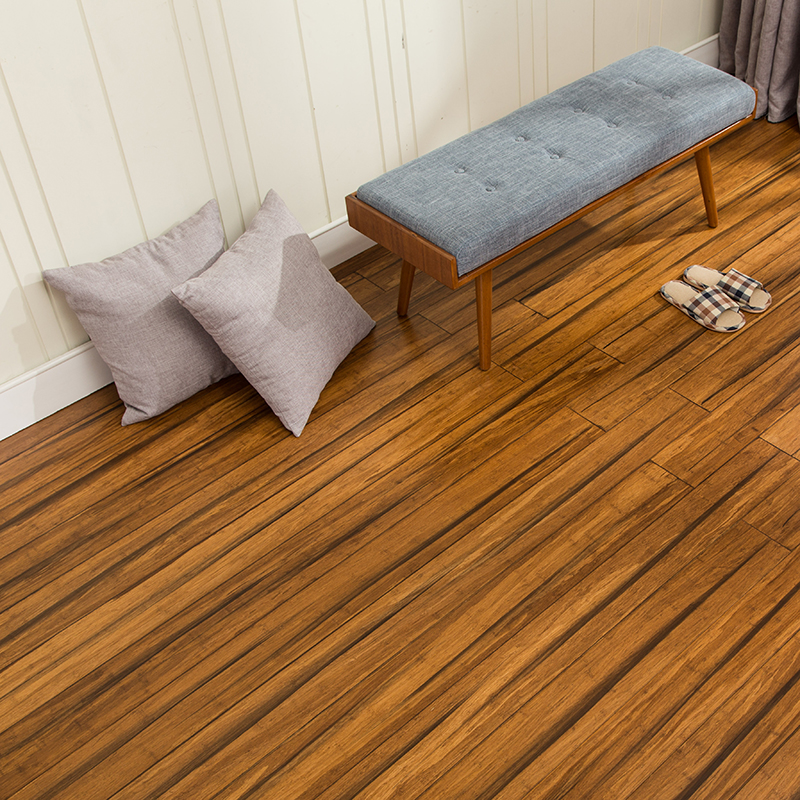
Bamboo flooring has quietly shifted from a niche alternative to a mainstream category that major retailers now treat as a core offering. Walk through the flooring aisles of large home‑improvement chains or browse the catalogs of national décor brands, and you’ll notice something unmistakable: broader bamboo assortments, more colorways, upgraded construction types, and dedicated marketing space. This expansion is not accidental. It reflects a mix of shifting consumer preferences, advances in material technology, improvements in global supply chains, and the practical realities of what retailers need to stay competitive.
As sustainability and durability continue to influence buying decisions, bamboo’s position has strengthened. But the reasons retail giants are doubling down on it go far beyond surface‑level trends. Understanding the deeper forces at work helps explain why bamboo flooring has become a strategic category rather than a fleeting experiment.
## Rising Consumer Awareness Around Sustainable Materials
One of the clearest drivers behind increased bamboo assortments is the steady shift toward environmentally responsible materials. Consumers researching hard‑surface flooring often encounter bamboo as a fast‑renewing resource. While traditional hardwoods can take decades to mature, many bamboo species reach harvestable age within five to seven years. This rapid growth cycle reduces pressure on forests and positions bamboo as a material that aligns naturally with low‑impact living.
Retailers track search data, browsing patterns, and demand trends across regions. When a category consistently appears in “eco‑friendly” or “renewable materials” searches, it signals a strong opportunity. As a result, stores are investing in broader bamboo collections with various textures, surface treatments, and plank constructions. They’re not doing this based on trend chasing alone; they’re responding to measurable shifts in what shoppers are actively seeking.
Bamboo’s environmental profile also supports retailer reputation. Large chains face constant scrutiny over the sustainability of their offerings. Expanding bamboo lines gives them a clear, marketable example of responding to environmental priorities without sacrificing performance or aesthetics.
## Technological Advancements Have Improved Bamboo’s Performance
Earlier versions of [bamboo flooring](https://www.bambooindustry.com) faced criticism for inconsistent quality, variations in hardness, or vulnerability to moisture. Over the last decade, significant improvements have changed that narrative.
Several innovations have helped:
Strand‑woven bamboo manufacturing, which compresses bamboo fibers under high pressure, has raised durability and hardness ratings beyond many hardwood species.
Advanced resin systems provide more stable bonding and reduced VOC emissions.
Improved milling techniques allow for tighter locking systems and more consistent dimensional stability.
Enhanced finishes offer better scratch resistance and UV protection.
These advancements matter enormously for retailers. Big chains rely on customer satisfaction and low return rates. A material that once carried some reputational risk now stands toe‑to‑toe with traditional hardwoods in both performance and longevity. For retailers, this makes bamboo a safer product category to expand without worrying about high claim volumes or quality complaints.
## Supply Chain Maturity Supports Large‑Scale Expansion
Another reason retail giants are strengthening their bamboo selections is the maturation of the supply chain behind it. Bamboo cultivation, harvesting, and manufacturing were once regionally concentrated and less standardized. As global demand increased, production facilities expanded, certification systems improved, and quality control processes became far more consistent.
For major retailers, supply chain maturity is a prerequisite for category expansion. They need:
Predictable lead times
Standardized quality
Stable pricing
The ability to scale volume on demand
Bamboo manufacturers have reached a point where they can support the logistical needs of big-box stores and national suppliers. This allows retailers to confidently offer wider selections, run national promotions, and even develop private‑label bamboo lines without the risk of bottlenecks or large variations between batches.
## Strong Aesthetic Appeal Across Design Styles
Interior design trends evolve, but certain visual themes have been dominating residential and commercial spaces: warm neutrals, clean lines, organic textures, and minimalist layouts. Bamboo fits these styles naturally.
Retailers have noticed that bamboo flooring resonates with customers seeking:
Light, airy interiors inspired by Scandinavian or coastal design
Modern and contemporary spaces with subtle grain patterns
Natural textures that complement biophilic design principles
Manufacturers now offer bamboo planks in a wide range of tones—from pale blondes to deep espresso shades—along with hand‑scraped, wire‑brushed, and matte finishes. This variety allows retailers to appeal to multiple style segments while maintaining a cohesive, approachable product story. Versatility increases shelf value; a single material category that satisfies several consumer groups is more space‑efficient and profitable to stock.
## Competitive Pricing Compared to Hardwood
Retail giants also appreciate category elasticity—the ability of a product line to serve customers at multiple price points. Bamboo is uniquely positioned here. It can provide the visual and tactile qualities of hardwood while often being more affordable.
This affordability gives retailers powerful placement flexibility. They can position bamboo as:
A premium eco‑conscious upgrade
A value‑driven hardwood alternative
A mid‑tier option with excellent durability
Having a material that appeals across budgets is a significant advantage. In competitive retail environments, the ability to present cost‑effective beauty and strong performance gives stores a chance to capture customers who might otherwise default to laminate or vinyl. As more shoppers compare bamboo and hardwood side by side, price becomes a compelling reason to explore bamboo farther.
## Private‑Label Opportunities Boost Profit Margins
Retailers consistently search for high‑margin product categories where they can build private‑label collections. Bamboo is well‑suited for private‑label development because manufacturers are often equipped to produce custom colors, finishes, and branding.
Private‑label flooring achieves several retailer objectives:
Higher profit margins
Control over product specifications
Less price pressure from direct competitors
Increased customer loyalty and repeat purchases
As [bamboo flooring](https://www.bambooflooringchina.com) technology has stabilized, retailers can introduce exclusive lines without worrying about supply inconsistency or wide quality fluctuations. Many large chains now maintain proprietary bamboo collections that allow them to differentiate themselves while offering consumers something they cannot find elsewhere.
## Commercial Use Is Expanding the Market
Commercial spaces—from boutique hotels to modern office environments—are adopting bamboo for its durability and clean aesthetic. This growing segment gives retailers another reason to expand their offerings.
Commercial clients look for materials that can handle foot traffic while contributing to a cohesive design message. Bamboo, especially strand‑woven varieties, fits well into reception areas, retail stores, workspaces, and hospitality venues. Retailers can target contractors, designers, and developers with volume‑ready bamboo lines, creating a second demand channel beyond residential customers.
The more commercial designers and builders specify bamboo in their projects, the more retailers strive to ensure they have the right assortment in stock. This leads to additional patterns, finishes, and installation types that support large‑scale design flexibility.
## Installation and Maintenance Advantages Appeal to DIY Consumers
A noticeable shift in home renovation culture has been the rise of DIY installations. Floating bamboo floors with click‑lock systems have lowered the barrier to entry for homeowners who prefer to handle projects themselves. Retailers closely monitor DIY trends, and when a flooring category performs well with weekend renovators, expansion often follows.
Features that support the DIY appeal include:
Click‑lock assembly that requires minimal tools
Pre‑finished surfaces that eliminate sanding or sealing
Clear installation instructions
Lightweight planks compared to some hardwood species
Lower installation difficulty translates to higher sales confidence. When customers believe they can install the floor themselves, they’re more likely to purchase that material. Retailers value any category that reduces friction between interest and purchase.
## Stability During Market Fluctuations
Retail giants strive to carry product categories that hold steady even when economic conditions shift. Bamboo’s mid‑range pricing and broad appeal give it relative resilience compared to higher‑end hardwoods. During slower housing markets or periods of cautious consumer spending, customers often seek durable, stylish materials that deliver strong value. Bamboo fits neatly into that gap.
By expanding bamboo offerings, retailers build a buffer against economic volatility. The material tends to perform reliably across income brackets and design preferences, making it a safer bet for long‑term inventory planning.
## Retailers Are Responding to an Educated Consumer Base
Flooring is no longer an impulse purchase for most homeowners. With a wealth of online content available, shoppers increasingly research materials, compare specifications, and seek detailed product information before visiting a store. Bamboo appears frequently in online guides, design blogs, and renovation discussions, which naturally pushes it into the decision‑making process for many remodeling projects.
Retailers monitor these consumer journeys. When a material appears often in pre‑purchase research patterns, stores expand that category to meet expectations. Wider bamboo assortments give customers more options when they arrive—helping retailers capture sales from a shopper who already walked in with bamboo on their shortlist.
## A Category Moving From Niche to Norm
The combined effect of sustainability appeal, improved manufacturing, competitive pricing, design versatility, supply chain reliability, and DIY friendliness has shifted bamboo flooring from a niche product into a mainstream category. Retailers rarely expand a product line unless it consistently performs, and bamboo has demonstrated that strength.
Its continued growth in major retail stores reflects a broader reality: shoppers are looking for materials that balance aesthetics, durability, affordability, and environmental responsibility. Bamboo consistently hits that mix. As long as consumer demand and manufacturing innovation remain aligned, retail giants will keep expanding their bamboo flooring lines and strengthening them as a primary fixture in their flooring departments.