# Eyelid Surgery for Droopy Eyes: Is It the Right Solution?
Droopy eyelids can affect more than just a person's appearance. For some individuals, sagging upper eyelids create a tired or aged facial expression, while others may experience difficulty seeing clearly because excess skin partially covers their field of vision. These changes can develop gradually with age, genetics, lifestyle factors, or certain medical conditions. Fortunately, modern cosmetic and functional treatments offer several ways to address eyelid concerns.
One increasingly considered option is [**Eyelid Surgery in Muscat**](https://www.enfieldroyalclinics.om/cosmetic-surgery/eyelid-surgery/), a procedure designed to improve the appearance and, in certain cases, the function of the eyelids. Commonly known as blepharoplasty, eyelid surgery involves removing or repositioning excess skin, fat, and sometimes muscle to create a smoother, more refreshed appearance.
However, surgery is not necessarily the right solution for everyone with droopy eyes. The most suitable treatment depends on the underlying cause, the severity of the condition, individual expectations, and overall eye health. Understanding how the procedure works, its potential benefits, and the recovery process can help individuals make an informed decision.
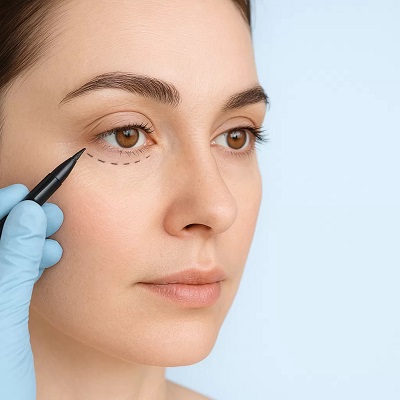
## 1. What Causes Droopy Eyelids?
Droopy eyelids, medically described by different terms depending on their cause, can develop for several reasons. Understanding the difference between these conditions is important because not every type of eyelid drooping requires the same treatment.
One common cause is the natural ageing process. As the skin loses collagen and elasticity, it gradually becomes thinner and less firm. The muscles and supporting tissues around the eyes may also weaken, allowing the upper eyelids to appear loose or saggy.
Other possible causes include:
- **Genetics:** Some individuals naturally have excess upper eyelid skin or a lower eyelid position from an early age.
- **Age-related changes:** Reduced skin elasticity and changes in facial fat distribution can contribute to eyelid sagging.
- **Muscle weakness:** Weakening or stretching of the muscle responsible for lifting the upper eyelid can result in ptosis.
- **Lifestyle factors:** Sun exposure, smoking, and other environmental factors may contribute to premature skin ageing.
- **Medical conditions:** Certain neurological, muscular, or eye-related conditions can affect eyelid positioning.
It is also important to distinguish between dermatochalasis and ptosis. Dermatochalasis refers to excess or loose eyelid skin, whereas ptosis involves a downward position of the upper eyelid itself. These conditions may look similar but can require different surgical approaches.
A professional assessment helps determine the actual cause before any treatment is considered.
## 2. What Is Eyelid Surgery and How Does It Work?
Eyelid surgery, also known as blepharoplasty, is a surgical procedure that addresses excess skin and, when appropriate, fat or muscle around the eyes. It may be performed on the upper eyelids, lower eyelids, or both, depending on the individual's concerns.
The primary objective is to create a more balanced and refreshed eye appearance while preserving natural eyelid function.
**Upper Eyelid Surgery**
Upper eyelid surgery is commonly recommended for individuals who have loose skin, puffiness, or excess tissue around the upper eyelids. During the procedure, an incision is generally made within the natural eyelid crease. The surgeon then removes or repositions the appropriate amount of excess tissue.
Placing the incision along the natural crease helps make the resulting scar less noticeable once healing is complete.
For individuals whose drooping is caused by weakened eyelid-lifting muscles rather than excess skin, a different procedure called ptosis repair may be more appropriate. In some cases, both procedures may be performed together.
**Lower Eyelid Surgery**
Lower eyelid surgery focuses on concerns such as under-eye bags, loose skin, and prominent fat deposits beneath the eyes. Depending on the individual's anatomy, the surgeon may remove or reposition fat and tighten excess skin.
This approach can improve the appearance of the lower eyelids and create a smoother transition between the lower eyelid and cheek.
**Combined Eyelid Surgery**
Some individuals experience concerns involving both the upper and lower eyelids. In these situations, combined surgery may be considered if the person's anatomy, eye health, and treatment goals make it appropriate.
The recommended technique depends on a detailed examination rather than appearance alone.
## 3. Is Eyelid Surgery in Muscat the Right Solution for Droopy Eyes?
Choosing **Eyelid Surgery in Muscat** can be an option for individuals who want to address persistent eyelid sagging, excess skin, or under-eye bags. However, suitability depends on the reason behind the concern.
The procedure may be worth considering for individuals who:
- Have excess upper eyelid skin that creates a heavy appearance.
- Experience difficulty applying makeup because of loose eyelid skin.
- Notice that their eyes look consistently tired despite adequate rest.
- Have under-eye bags caused by prominent fat deposits.
- Experience visual obstruction due to excess upper eyelid tissue.
- Want a longer-lasting improvement compared with temporary cosmetic treatments.
Functional concerns deserve particular attention. When excess upper eyelid skin interferes with the upper field of vision, surgery may provide benefits beyond cosmetic improvement.
However, individuals should understand that eyelid surgery cannot correct every cause of droopy eyes. For example, sagging caused by neurological problems, certain muscular conditions, or significant eyelid muscle weakness may require a different treatment approach.
A thorough consultation is therefore essential. An assessment may include examining eyelid position, skin quality, muscle function, tear production, eye movement, and overall eye health.
A qualified surgeon can explain whether conventional blepharoplasty, ptosis repair, another treatment, or no surgery is the most appropriate choice.
## 4. Benefits, Risks, and Important Considerations
Eyelid surgery can offer both cosmetic and functional benefits when performed for suitable candidates. Nevertheless, it is important to understand that every surgical procedure involves potential risks.
**Potential Benefits**
One of the main advantages of eyelid surgery is the improvement in excess or sagging skin around the eyes. By addressing unwanted tissue, the procedure can create a smoother and more refreshed appearance.
Other potential benefits include:
- A more defined upper eyelid crease.
- Reduced puffiness caused by excess eyelid fat.
- A less tired-looking facial appearance.
- Improved symmetry when appropriate.
- Better upper-field vision in selected individuals with obstructive excess skin.
- Long-lasting improvement in the treated area.
The results vary according to individual anatomy, skin quality, surgical technique, and the natural ageing process.
**Possible Risks and Side Effects**
Although eyelid surgery is commonly performed, it is not risk-free. Temporary swelling, bruising, dryness, irritation, and discomfort may occur during recovery.
Less common but more significant complications can include:
- Infection or bleeding.
- Noticeable or unfavourable scarring.
- Asymmetry between the eyelids.
- Difficulty closing the eyes completely.
- Persistent dry eyes or irritation.
- Changes in eyelid position.
- Need for additional corrective surgery.
- Rare vision-threatening complications.
Over-removal of skin or fat can also create an unnatural appearance or interfere with normal eyelid function.
Individuals with existing dry eyes, thyroid eye disease, previous eye surgery, or other relevant medical conditions should discuss these concerns during their consultation.
A careful examination, realistic expectations, and an experienced surgical professional are important factors in reducing avoidable risks.
## 5. What to Expect Before, During, and After Eyelid Surgery?
Understanding the complete treatment journey can make the decision less stressful. From the initial consultation to the final healing stage, each step plays an important role in achieving a safe and satisfactory outcome.
**Before the Procedure**
The process generally begins with a detailed consultation. The surgeon reviews medical history, current medications, previous surgeries, and any existing eye conditions.
An examination may assess:
- The amount of excess eyelid skin.
- Eyelid muscle strength and positioning.
- Fat distribution around the eyes.
- Skin elasticity.
- Eye closure and tear-film health.
- Whether the eyelid problem affects vision.
Photographs may also be taken for treatment planning and comparison after surgery.
Individuals may receive instructions about certain medications, smoking, supplements, and eating or drinking before the procedure. These instructions should be followed carefully.
**During the Procedure**
Eyelid surgery is commonly performed using local anaesthesia, sometimes with sedation. General anaesthesia may be appropriate in selected cases, depending on the complexity of the surgery and the patient's needs.
The surgeon makes carefully planned incisions, usually following natural eyelid creases or other suitable anatomical locations. Excess skin, fat, or muscle is then removed or repositioned according to the treatment plan.
The incisions are closed with fine sutures. The duration varies depending on whether the procedure involves the upper eyelids, lower eyelids, or both.
**After the Procedure**
Recovery usually involves some swelling, bruising, tightness, and mild discomfort around the eyes. These effects generally improve gradually over the first one to two weeks, although complete healing can take longer.
Patients are commonly advised to:
- Follow all prescribed aftercare instructions.
- Use recommended cold compresses during the early recovery period.
- Keep the surgical area clean.
- Avoid rubbing or putting pressure on the eyes.
- Sleep with the head slightly elevated if advised.
- Avoid strenuous activities until medically cleared.
- Attend scheduled follow-up appointments.
- Protect the healing area from excessive sun exposure.
Temporary blurred vision, watering, or light sensitivity may occur. However, sudden vision changes, severe pain, increasing swelling, or significant bleeding require urgent medical assessment.
The final cosmetic results may take several weeks or months to become fully apparent as swelling settles and the tissues continue healing.
## 6. How to Choose the Right Eyelid Treatment and Maintain Results
Selecting the appropriate treatment involves more than deciding whether surgery is desirable. The underlying cause of the eyelid concern must first be identified.
For individuals with mild skin laxity, non-surgical treatments may sometimes provide modest improvements. However, these options cannot reliably remove significant excess skin or correct true eyelid ptosis.
When structural changes are more pronounced, surgery may offer a more effective and lasting solution.
Before proceeding, individuals considering Eyelid Surgery in Muscat should pay attention to several important factors.
**Choose an Appropriately Qualified Surgeon**
The professional performing the procedure should have relevant specialist qualifications and experience in eyelid or oculoplastic surgery. Experience with the delicate anatomy surrounding the eyes is particularly important.
**Discuss Expectations Clearly**
Patients should explain what concerns them most and what they hope to achieve. A realistic treatment plan focuses on natural-looking improvements while protecting normal eyelid function.
**Understand the Treatment Options**
The consultation should explain whether upper blepharoplasty, lower blepharoplasty, ptosis repair, or a combination of procedures is appropriate.
**Review the Risks and Recovery Requirements**
Patients should understand the possible complications, expected downtime, aftercare requirements, and circumstances that may require additional treatment.
**Maintain Healthy Eye and Skin Habits**
Although surgery can address existing structural changes, it cannot stop the natural ageing process. Maintaining healthy habits may help preserve the results.
These habits include protecting the skin from ultraviolet exposure, avoiding smoking, maintaining a balanced diet, following an appropriate skincare routine, and managing existing eye conditions.
Regular eye examinations can also help identify problems that may affect eyelid health and vision.
Ultimately, the right decision should be based on medical suitability, individual needs, and a clear understanding of the expected benefits and limitations.
## Frequently Asked Questions (FAQs)
**1. Is eyelid surgery suitable for everyone with droopy eyes?**
No. Eyelid surgery is not suitable for everyone. Its suitability depends on the cause of drooping, skin condition, eyelid muscle function, general health, and individual expectations. Some individuals may need ptosis repair or treatment for an underlying medical condition instead of conventional blepharoplasty.
**2. How long do the results of eyelid surgery last?**
Results can last for many years, although the exact duration varies. The procedure addresses existing excess skin and tissue, but it does not stop natural ageing. Changes in skin elasticity and facial structure may gradually affect the appearance of the eyelids over time.
**3. Is eyelid surgery painful?**
The procedure is generally performed under anaesthesia, so patients should not experience significant pain during surgery. Mild discomfort, tightness, swelling, and bruising may occur afterward. These symptoms are usually temporary and can be managed with the aftercare measures recommended by the surgeon.
**4. How long does recovery from eyelid surgery take?**
Many individuals can return to light daily activities within approximately one to two weeks, depending on the extent of surgery and their healing progress. However, residual swelling and bruising may take longer to disappear, and final results can require several months to become fully visible.
**5. Can eyelid surgery improve vision?**
Yes, in selected cases. When excess upper eyelid skin obstructs the field of vision, surgery may improve visual function. However, cosmetic blepharoplasty does not correct every type of vision problem. A proper eye examination is necessary to determine whether the procedure can provide functional benefits.
**6. Is eyelid surgery a permanent solution for droopy eyelids?**
Eyelid surgery can provide long-lasting improvement, but it cannot prevent future ageing or changes in the eyelid muscles and surrounding tissues. The results depend on the original condition, surgical technique, healing process, and individual ageing patterns.
## Final Thoughts
Droopy eyelids can influence facial appearance, confidence, and sometimes everyday visual comfort. While ageing and genetics are common contributors, the underlying cause should always be identified before choosing a treatment.
Eyelid Surgery in Muscat may be a suitable option for individuals experiencing excess eyelid skin, under-eye bags, or certain functional concerns. However, the best approach depends on a professional assessment, realistic expectations, and a clear understanding of the procedure's benefits and risks.
With appropriate evaluation, careful surgical planning, and proper aftercare, eligible individuals may achieve a refreshed appearance while maintaining natural eyelid function and eye health.
Read More About Eyelid Surgery in Muscat: [https://www.talkfever.com/blogs/can-eyelid-surgery-make-you-look-younger](https://www.talkfever.com/blogs/can-eyelid-surgery-make-you-look-younger)